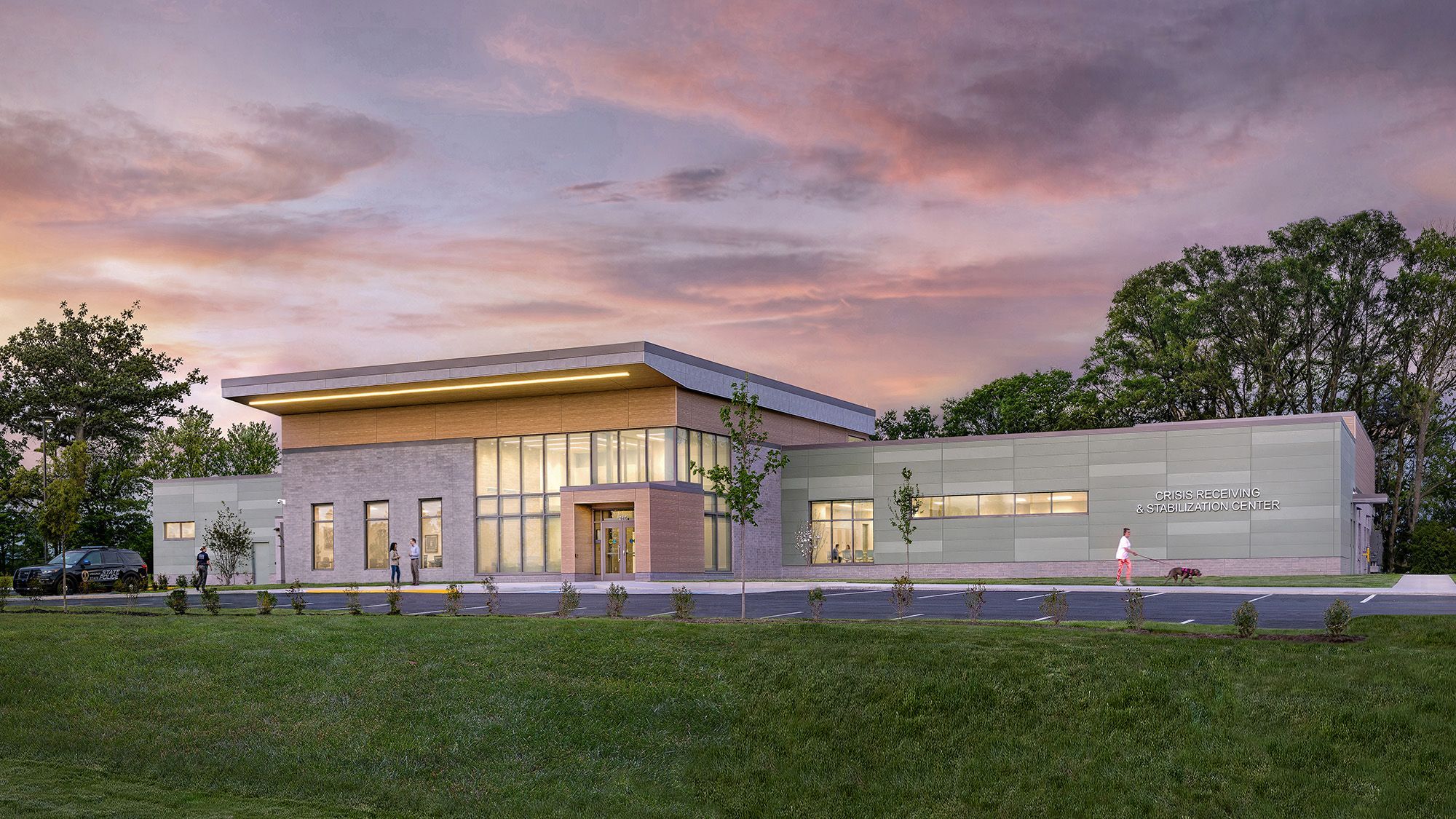
An Architecture of Care: Crisis Receiving and Stabilization Center
Loudoun County, Virginia
client
Loudoun County
size
20,500 sf
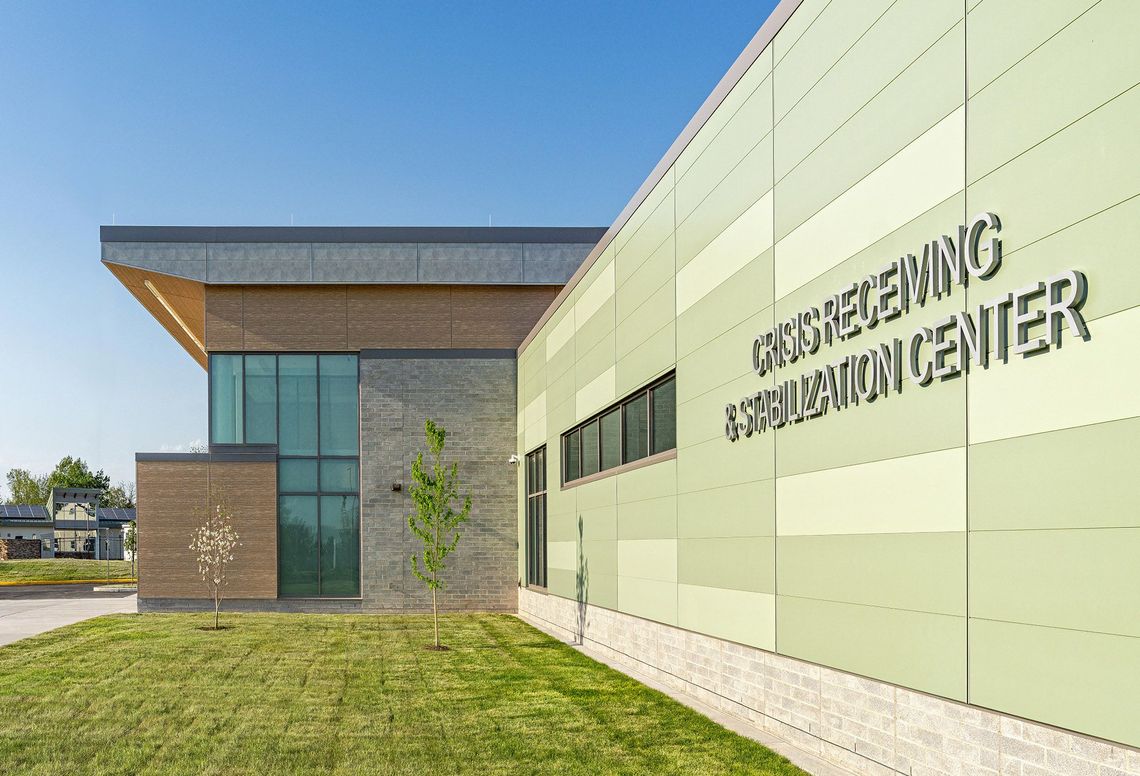
The Crisis Receiving and Stabilization Center (CRSC) redefines behavioral health crisis care by replacing traditional emergency department and law enforcement pathways with a purpose-built, community-based facility. By integrating crisis receiving, assessment, and stabilization within a unified environment, the center strengthens regional behavioral health infrastructure while advancing a more humane, dignified model of care.
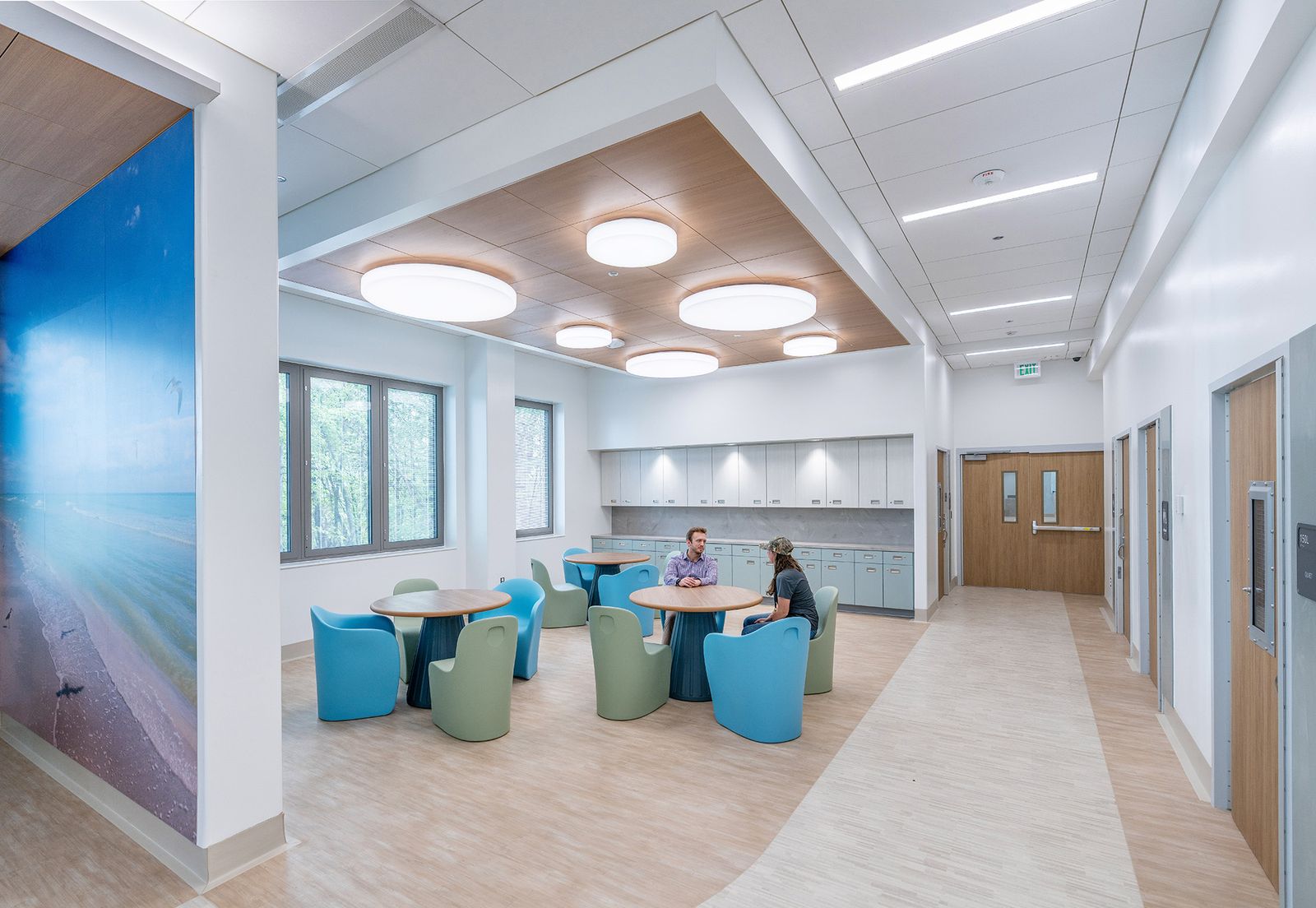
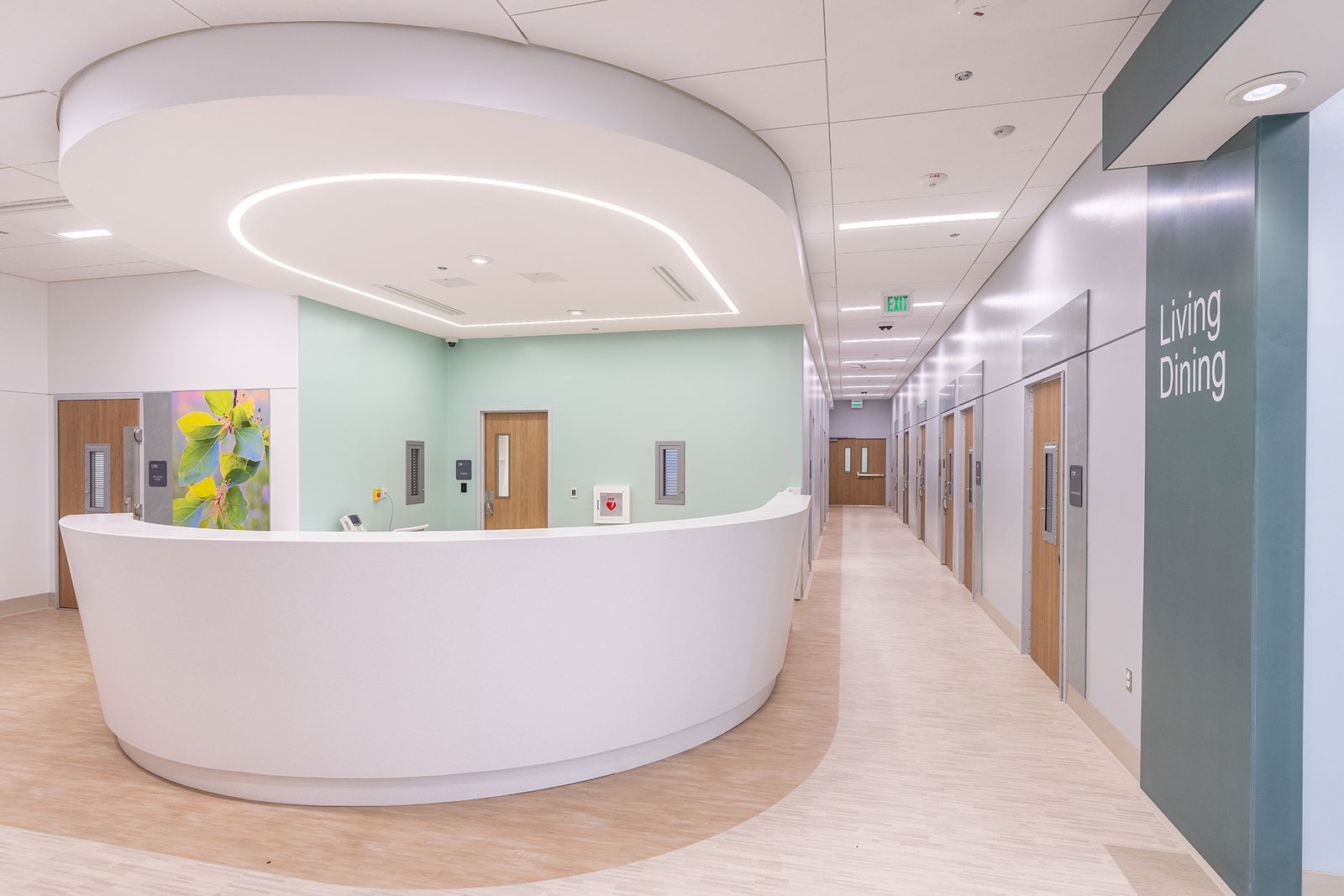
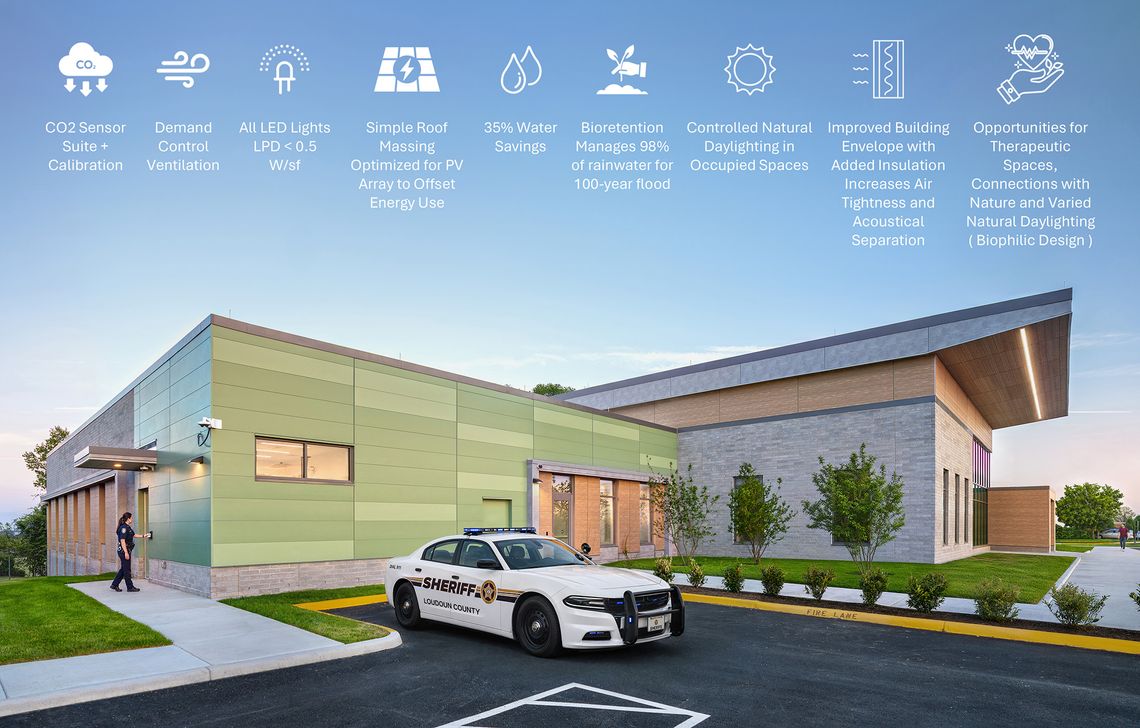
The design prioritizes a compact, efficient footprint that reduces material use while optimizing clinical functionality. Organized around safety, equity, and resilience, the layout separates public, clinical, and law enforcement circulation to reduce operational friction and support trauma-informed care. Open sightlines and controlled transparency balance patient privacy with critical clinical awareness, while intuitive wayfinding supports emotional regulation and ease of navigation.
A Spatial Journey of Recovery
The architectural plan mirrors the patient journey, aligning spatial sequencing with states of distress and recovery. From a high-stress arrival to a calming intake process and eventual stabilization, the environment guides patients through a therapeutic spatial progression.
-
10
bed stabilization unit
-
4
intake rooms in the receiving unit
-
16
recliners in the 23 hour assessment unit
-
1
Continuum of Care
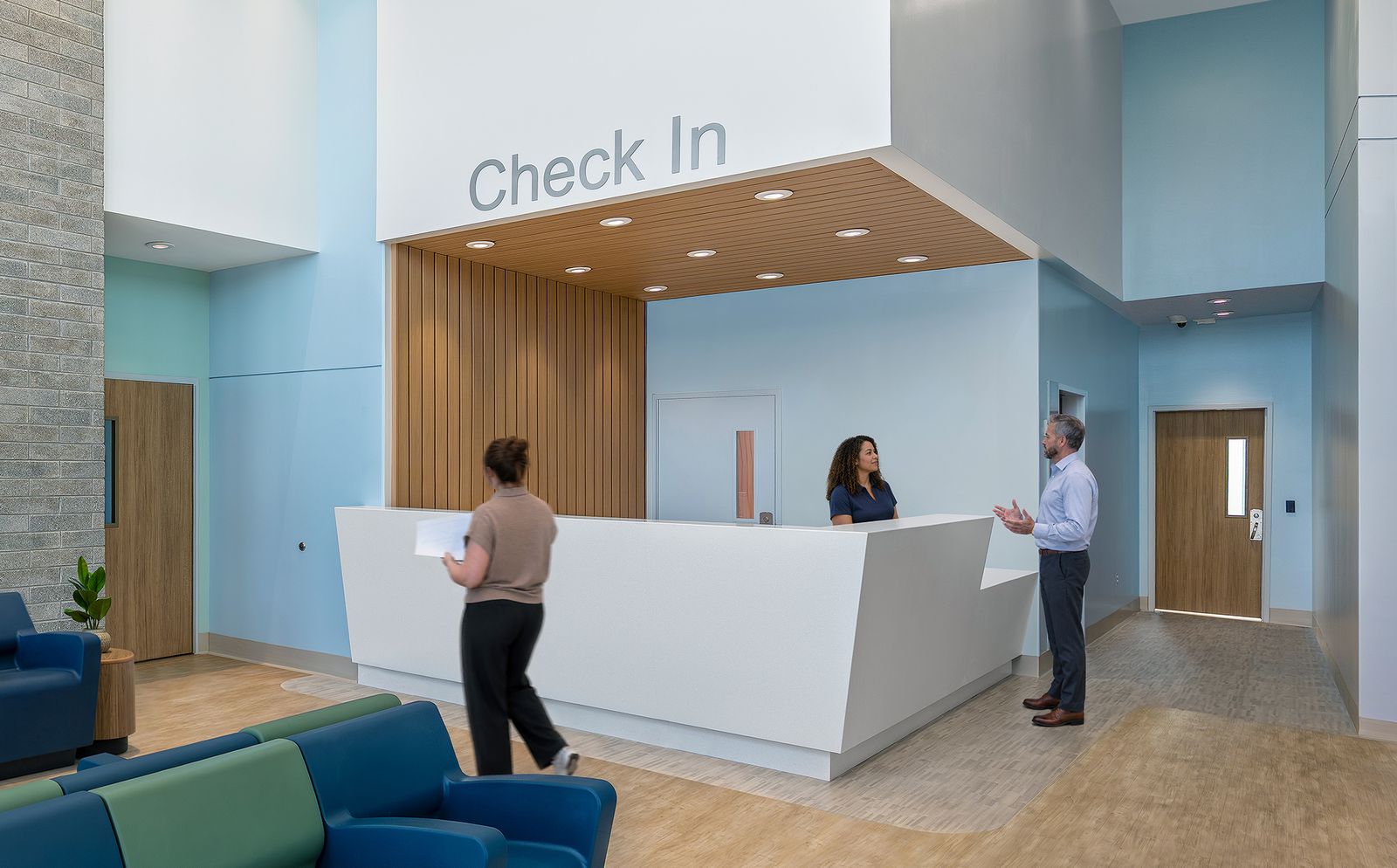
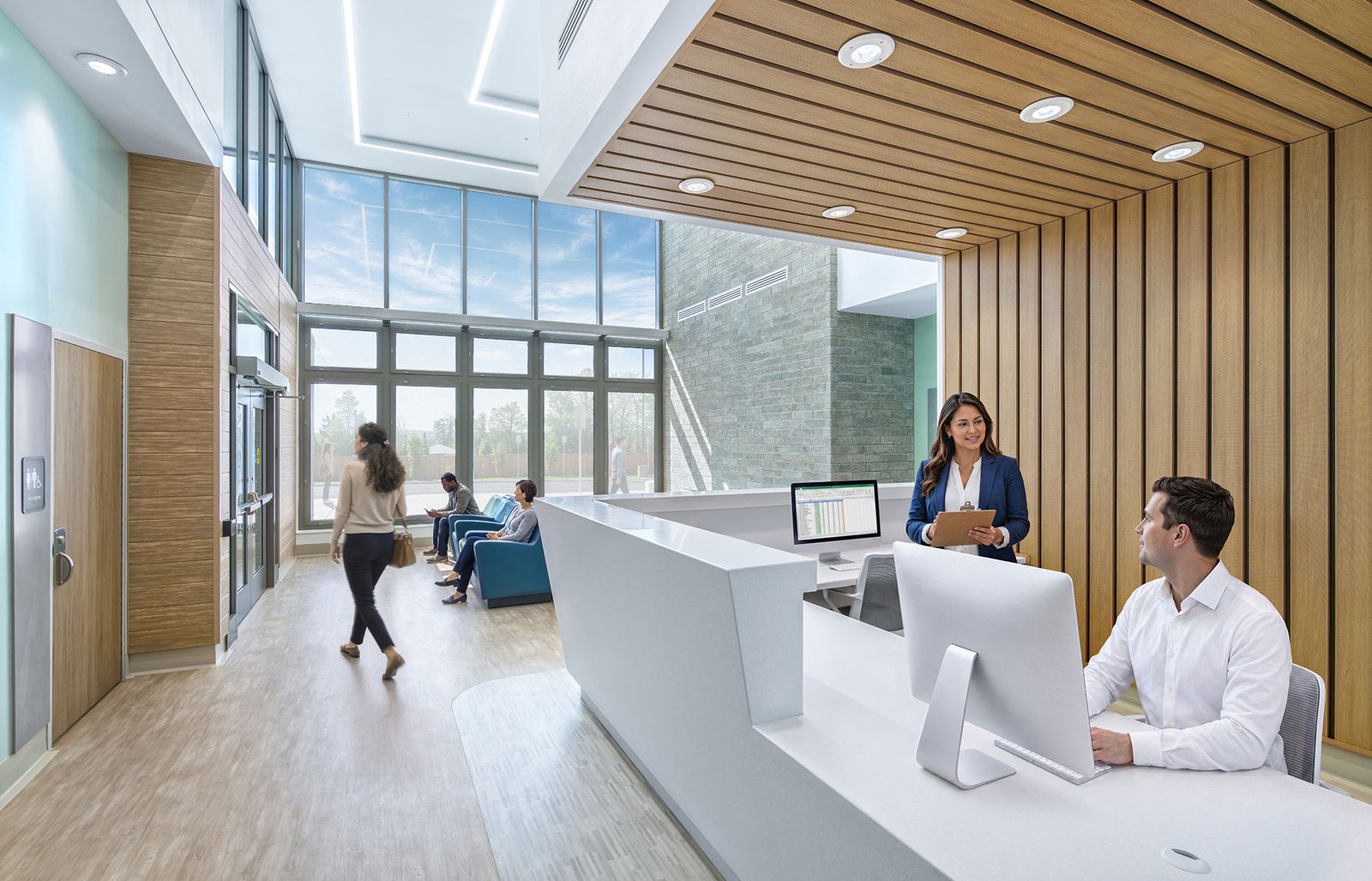
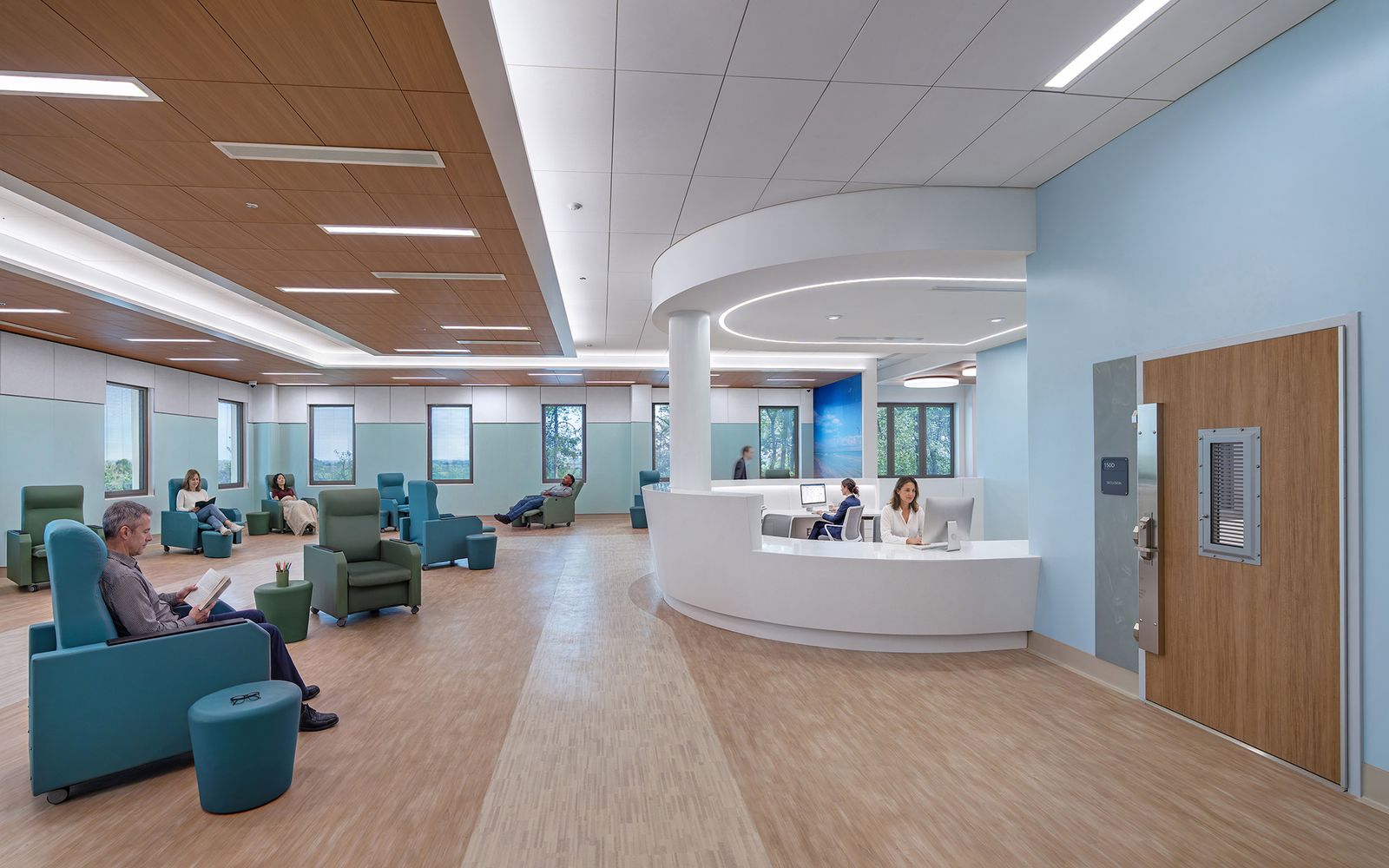
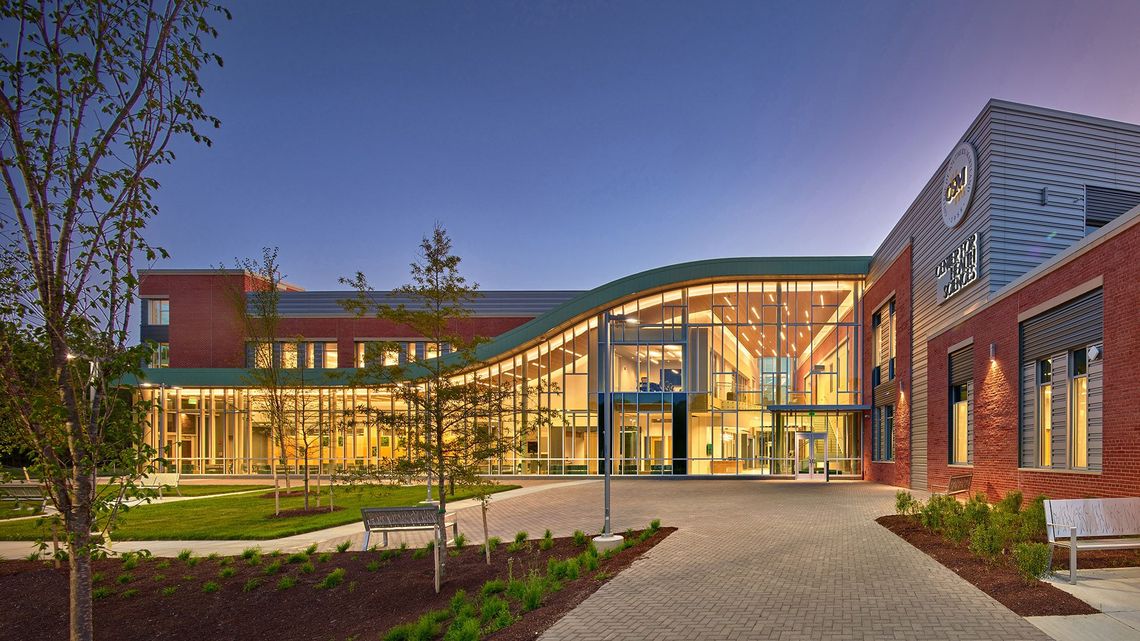
The arrival experience is designed to be intentionally comforting rather than institutional. In the main reception and daylight-filled circulation spine, natural materials, warm wood tones, and a palette of teals and blues create an intuitive, human-centered experience. To ensure safety without sacrificing dignity, these spaces incorporate weighted, ligature-resistant behavioral health furniture alongside photographic artwork of local natural scenes for emotional grounding.
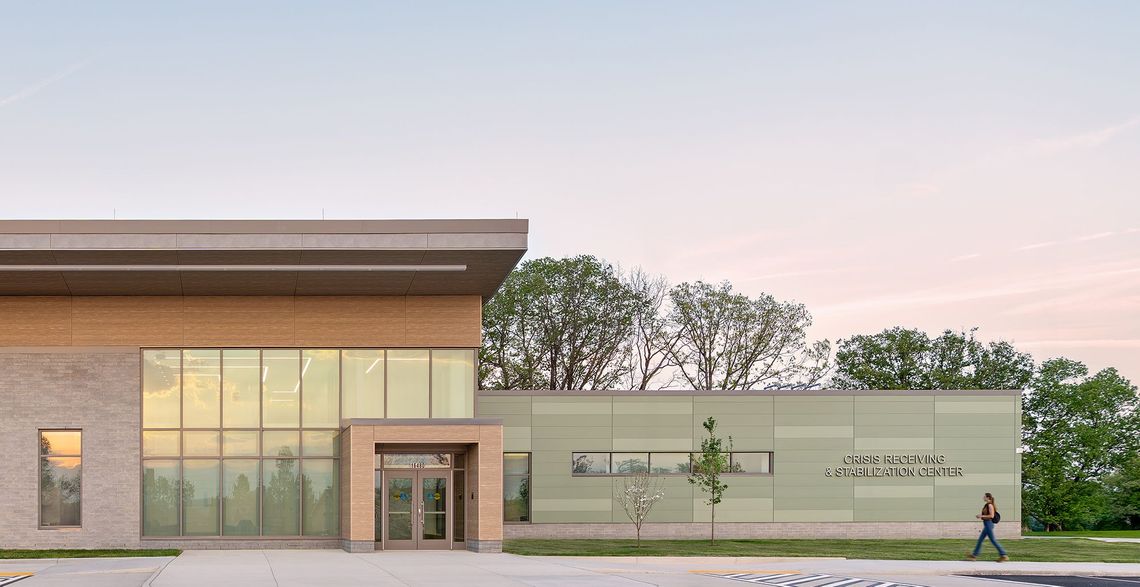
The facility leverages biophilic design to foster a restorative, healing environment. On the exterior, a durable masonry base provides civic resilience, while fiber cement panels introduce wood textures and muted green tones that soften the building's presence. Inside, clerestory windows and expansive glazing bring natural light deep into the core spaces, reducing reliance on artificial lighting, establishing continuous visual connections to nature, and providing moments of calm for patients, staff, and first responders alike.
Architecture of Care
The CRSC provides a trauma-informed behavioral health environment organized as a spatial journey of care, where architecture mirrors the patient experience from arrival to stabilization and a return to community life, strengthened and supported.